Diverse Backgrounds and Communal Living
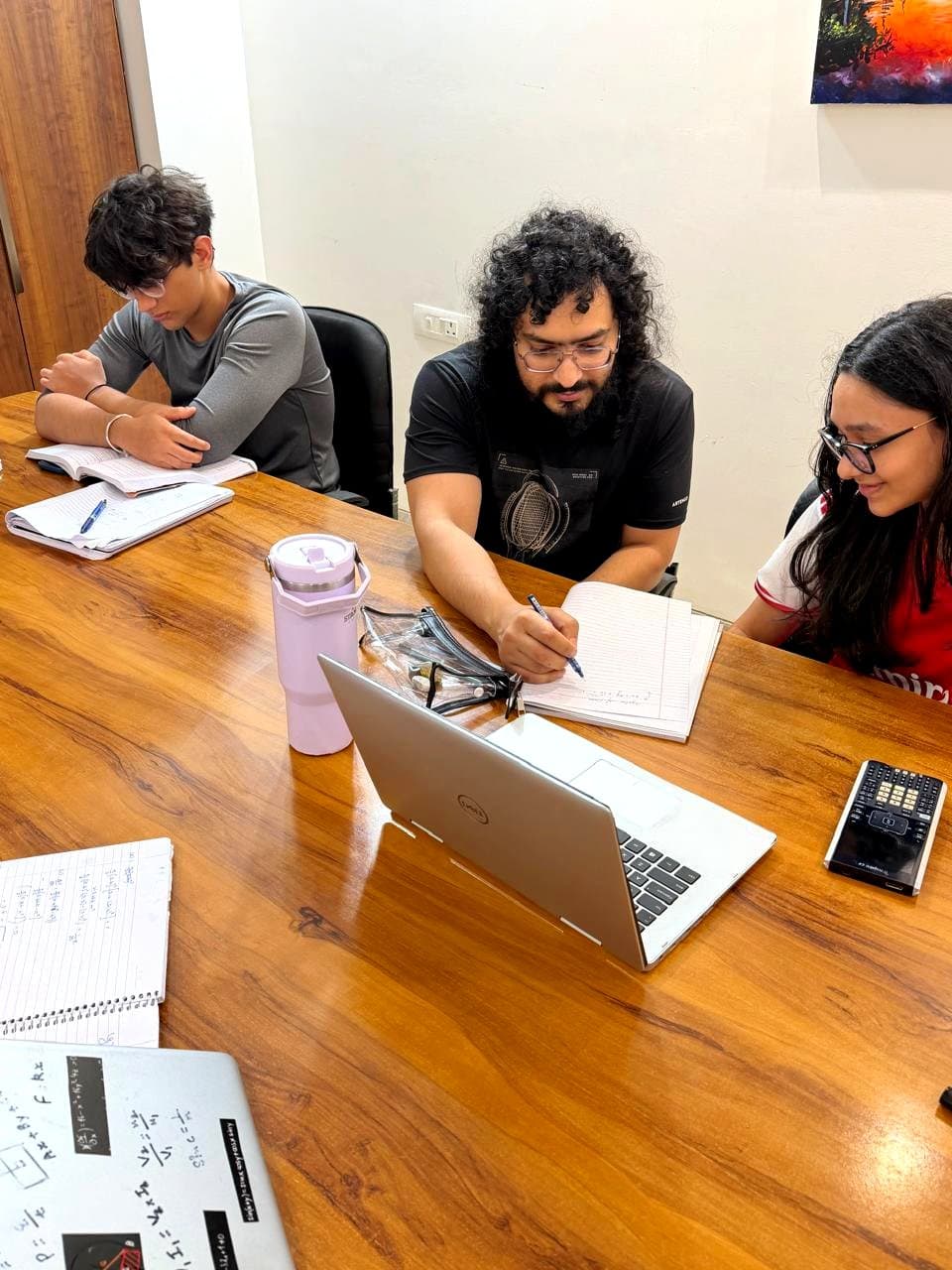
Living in a communal setting with peers from diverse cultural and socioeconomic backgrounds is a hallmark of boarding school life. This environment encourages constant interaction and collaboration, helping students develop interpersonal skills. They lea
to live together harmoniously, appreciate different perspectives, and build lasting friendships. This daily exposure to diversity fosters open-mindedness and adaptability, preparing students for the multicultural nature of the mode
workplace.
Extracurricular Activities
Boarding schools offer a wide array of extracurricular activities that play a crucial role in social and emotional development. Participation in sports, arts, music, drama, and various clubs allows students to explore their interests and talents. These activities require teamwork, cooperation, and leadership, providing students with practical opportunities to apply and refine their social skills. Engaging in group projects and competitions teaches students how to work collaboratively, resolve conflicts, and develop a sense of camaraderie.
Ethics and Values Education
Many boarding schools incorporate ethics and values education into their curriculum. Students lea
about important ethical principles, values, and traditions, which help them develop a strong moral compass. This education promotes critical thinking and ethical decision-making, enabling students to navigate complex social situations with integrity. By understanding and practicing values such as honesty, loyalty, empathy, and respect for diversity, students enhance their social skills and emotional intelligence.
Yoga and Mindfulness Practices
Yoga and mindfulness practices are increasingly integrated into the boarding school curriculum to promote emotional intelligence and well-being. These practices help students become more aware of their thoughts and emotions, fostering a sense of calm and inner peace. Regular yoga and mindfulness sessions improve emotional regulation, reduce stress, and enhance concentration. This holistic approach to education nurtures the mind, body, and soul, contributing to overall emotional health.
Independence and Responsibility
Living away from home in a boarding school environment requires students to take greater responsibility for their daily lives. They lea
to manage their time, make decisions, and solve problems independently. This independence fosters self-reliance and accountability, essential qualities for personal and professional success. Students become more confident in their abilities to handle challenges, enhancing their resilience and adaptability.
Social Service Programs
Boarding schools often engage students in social service programs and community service activities. These programs teach important social skills such as generosity, empathy, and a sense of responsibility toward others. By participating in service projects, students develop a deeper understanding of societal issues and lea
to contribute positively to their communities. These experiences also foster a sense of purpose and fulfillment, enriching students' emotional lives.
Resilience Building
Boarding school life can be challenging, with academic pressures, extracurricular commitments, and the need to adapt to a new environment. These challenges provide valuable opportunities for students to build resilience. They lea
to cope with setbacks, manage stress, and maintain a positive mindset in the face of adversity. Teachers and mentors in boarding schools provide support and guidance, helping students develop the emotional strength needed to overcome obstacles and thrive.
Holistic Development and Personal Growth
The holistic approach to education in boarding schools ensures that students develop not only academically but also socially, emotionally, and personally. The structured environment, diverse activities, and supportive community foster well-rounded growth. Students lea
to balance their academic pursuits with personal interests and social interactions, leading to a more fulfilling and enriched educational experience.
Enhanced Interpersonal Relationships
The boarding school environment promotes close-knit relationships among students, teachers, and staff. Living and lea
ing together creates a strong sense of community and belonging. Students develop meaningful connections with their peers, which are often lifelong. These relationships provide emotional support and a sense of security, enhancing students' overall well-being.
Peer Mentorship and Leadership Opportunities
Boarding schools provide numerous opportunities for students to take on leadership roles and mentor their peers. These experiences are invaluable for developing leadership skills and emotional intelligence. Students lea
to lead by example, offer guidance, and support their fellow students. Peer mentorship programs encourage older students to help younger ones adjust to boarding school life, fostering a sense of responsibility and empathy.
Technology and Social Media Management
In the digital age, managing technology and social media is an important aspect of social and emotional intelligence. Boarding schools often provide guidance on the responsible use of technology, helping students navigate the challenges of the digital world. They lea
to balance screen time with real-life interactions, develop healthy online habits, and understand the impact of social media on their well-being.
Counseling and Support Services
Boarding schools typically offer robust counseling and support services to address students' social and emotional needs. Trained counselors provide guidance on a range of issues, from academic stress to personal challenges. These services ensure that students have access to the support they need to thrive emotionally and mentally. Counseling sessions also teach students valuable coping strategies and emotional regulation techniques.
Global Exposure and Cultural Exchange
Many boarding schools offer opportunities for students to participate in inte
ational exchange programs, study abroad, or engage in global initiatives. These experiences expose students to different cultures and global perspectives, broadening their horizons and enhancing their cultural competence. Understanding and appreciating global diversity is a key component of social and emotional intelligence, preparing students for a globalized world.
Parental Involvement and Communication
Despite the physical distance, boarding schools often maintain strong communication channels with parents. Regular updates, parent-teacher meetings, and family visits ensure that parents remain involved in their child's education and development. This partnership between school and home supports students' emotional well-being and provides a solid foundation for their growth.
Developing Emotional Resilience
Boarding schools place a strong emphasis on developing emotional resilience. Students are encouraged to reflect on their experiences, lea
from failures, and celebrate successes. This process helps them build a positive self-image and develop a growth mindset. Emotional resilience is crucial for navigating the ups and downs of life, ensuring that students can bounce back from challenges and continue to thrive.
Fostering Creativity and Innovation
Creativity and innovation are nurtured in the boarding school environment through various programs and activities. Students are encouraged to think outside the box, explore new ideas, and engage in creative pursuits. This fosters a sense of curiosity and imagination, essential for personal growth and future success. Creative activities also provide emotional outlets and help students express themselves in unique ways.
Career Guidance and Preparation
Boarding schools often provide comprehensive career guidance and preparation programs. These programs help students explore different career paths, develop relevant skills, and prepare for higher education and professional life. Career counseling sessions, inte
ships, and workshops equip students with the knowledge and tools they need to make informed decisions about their futures. This guidance ensures that students are well-prepared to transition from school to the professional world.
Developing a Sense of Community and Belonging
Boarding schools emphasize the importance of community and belonging. Through shared experiences, traditions, and rituals, students develop a strong sense of identity and connection to their school community. This sense of belonging fosters emotional security and well-being, creating a supportive environment where students can thrive.
Integrating Technology in Lea
ing
Mode
boarding schools integrate technology into their teaching methods to enhance lea
ing and develop digital literacy. Students lea
to use technology responsibly and effectively, preparing them for the demands of the mode
workplace. Digital literacy is an essential skill in today's world, and boarding schools ensure that students are proficient in using technology for lea
ing and communication.
Environmental Awareness and Sustainability
Many boarding schools incorporate environmental education and sustainability practices into their curriculum. Students lea
about environmental issues, conservation, and sustainable living. Participation in eco-friendly initiatives and projects fosters a sense of responsibility toward the environment. This awareness and commitment to sustainability are crucial for developing socially and emotionally responsible individuals.
Boarding Schools as Microcosms of Society
Boarding schools function as microcosms of society, providing students with a realistic yet supportive environment to develop their social and emotional skills. The diverse and dynamic setting of a boarding school mirrors the complexities of the real world, offering students valuable experiences that prepare them for adult life. By navigating the social dynamics of a boarding school, students develop the skills needed to succeed in broader society.
Conclusion
Boarding schools play a pivotal role in shaping the social skills and emotional intelligence of students. Through a structured and supportive environment, diverse activities, and a focus on holistic development, boarding schools prepare students for the complexities of life. They foster independence, resilience, and a strong sense of community, ensuring that students are well-equipped to navigate personal and professional challenges. The comprehensive education provided by boarding schools nurtures well-rounded individuals who are capable of thriving in a globalized and interconnected world.